01
The Challenge
A university program needed a practical, industry-relevant course on UI design for Master's students with varied technical backgrounds. The students had theoretical knowledge of HCI but lacked hands-on design skills. The challenge was to build a curriculum that bridged the gap between academic theory and real-world design practice — covering visual fundamentals, UX methodology, and tool mastery — within a limited number of sessions.
02
The Solution
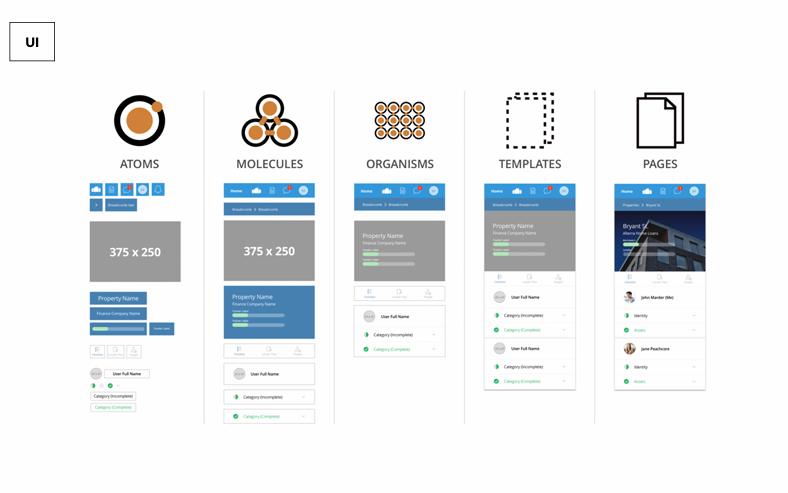
Designed a progressive curriculum starting from core visual principles (typography hierarchy, spacing systems, color theory, contrast and accessibility) before moving into UX methodology (user flows, wireframing, information architecture). The second half focused entirely on Figma: component-based design, auto-layout, interactive prototyping, and design system construction. Each session combined a lecture portion with a live workshop where students designed real interfaces. The final project had students design a complete mobile app from research to hi-fi prototype, which they presented and defended.
# Course Structure — UI/UX Design Fundamentals

## Module 1: Visual Foundations
- Typography: hierarchy, pairing, readability
- Color theory: palettes, contrast ratios (WCAG)
- Layout: grid systems, spacing, visual rhythm

## Module 2: UX Methodology
- User research & persona creation
- Information architecture & user flows
- Wireframing: low-fi → mid-fi iteration

## Module 3: Figma Mastery
- Components, variants & auto-layout
- Interactive prototyping & micro-interactions
- Design systems: tokens, documentation

## Final Project
- Complete mobile app: research → hi-fi prototype
- Presentation & design critique session
↳ Course curriculum covering visual fundamentals, UX methodology and Figma mastery